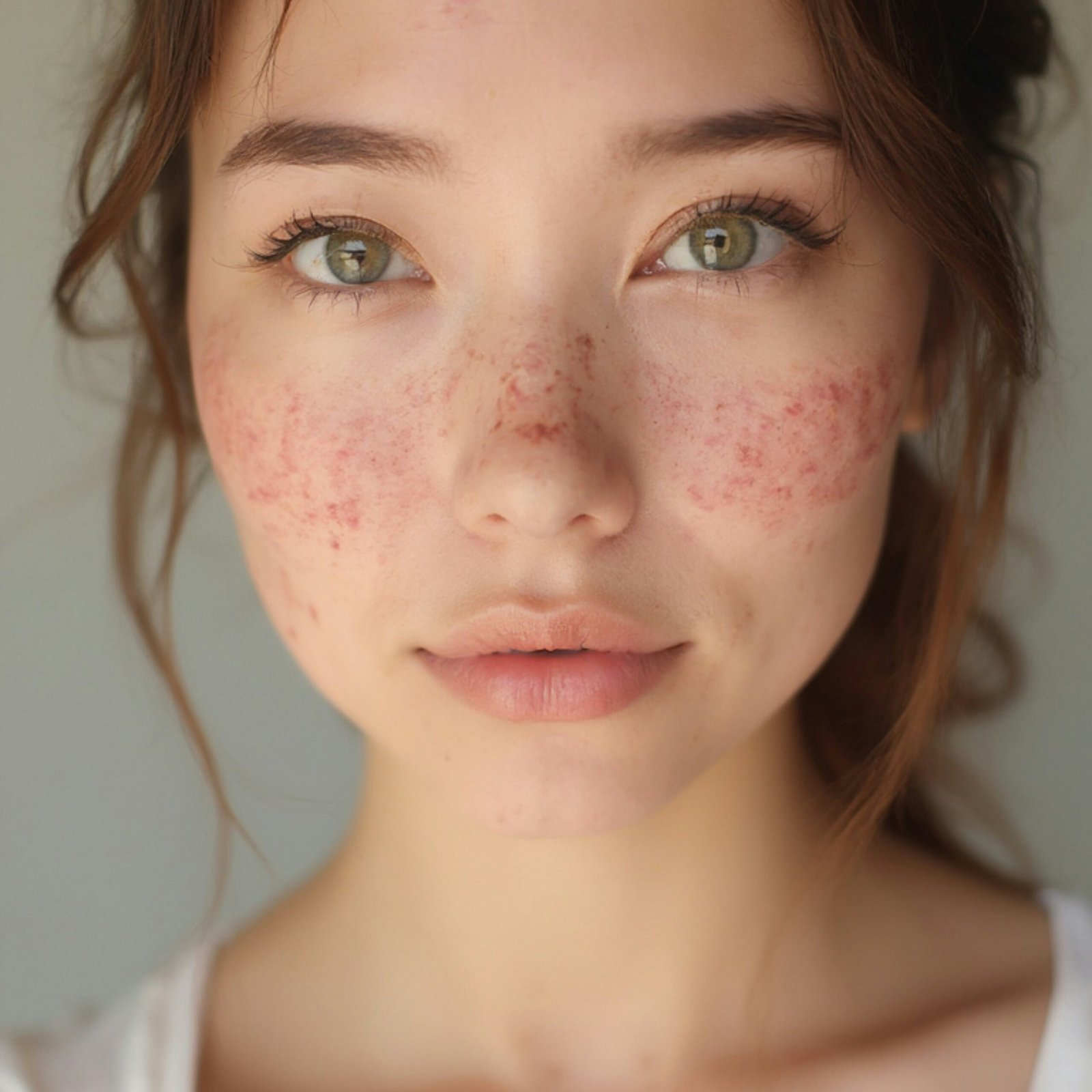
Breakouts in adulthood are common, and some people notice a pattern around their menstrual cycle. That pattern can be useful information, but the location or timing of acne alone cannot diagnose a hormone condition. This guide explains what to track and how to discuss treatment options with a dermatologist.
An earlier version of this article described specific causes, products, diets and prescription doses as if they applied to every reader. We have removed those claims. Lady Life Magazine did not examine readers, conduct product tests or obtain a medical review for this article.
What can affect adult acne?
The American Academy of Dermatology (AAD) lists several possible contributors to adult acne, including hormone changes, stress, skin-care products, medications and family history. Not every breakout on the jawline has the same cause. Keep a simple record of when breakouts appear, products you use and any relevant changes in medication or routine. Share it with a clinician if acne persists.
Start with gentle skin care
The AAD advises washing acne-prone skin gently, up to twice daily and after sweating, without scrubbing. A cleanser should help remove what is on the skin without making your routine harder to tolerate. Our guide to comparing cleansers explains label details without ranking untested products.
What about non-prescription treatments?
Depending on the type of breakout, the AAD’s adult-acne guide discusses ingredients such as benzoyl peroxide and salicylic acid. Follow the product label and consider other treatments you already use. Adding several active products at once can make it difficult to tell what is helping or irritating your skin. A pharmacist or dermatologist can help you choose an option suitable for your circumstances.
When to discuss prescription options
Acne that is deep, painful, persistent or leaving scars deserves an individual assessment. The AAD explains that some clinicians consider hormonal therapies, including certain contraceptives or spironolactone, for some women with stubborn acne. These are prescription decisions with individual benefits, risks and follow-up; an article cannot tell you which treatment or dose is right for you.
If acne occurs alongside irregular periods or other new symptoms, mention the combination to your healthcare professional. A condition such as polycystic ovary syndrome is one possibility among others, and ACOG explains that diagnosis and treatment require an individual evaluation.
Questions for an appointment
- What type of acne do I have, and what else might explain it?
- Which non-prescription or prescription options fit my history and current medications?
- How should I use the treatment, and what side effects should I watch for?
- When should we review progress or change the plan?
This article provides general information. It does not diagnose “hormonal acne,” prescribe a routine or promise that a diet, supplement or product will clear breakouts.