
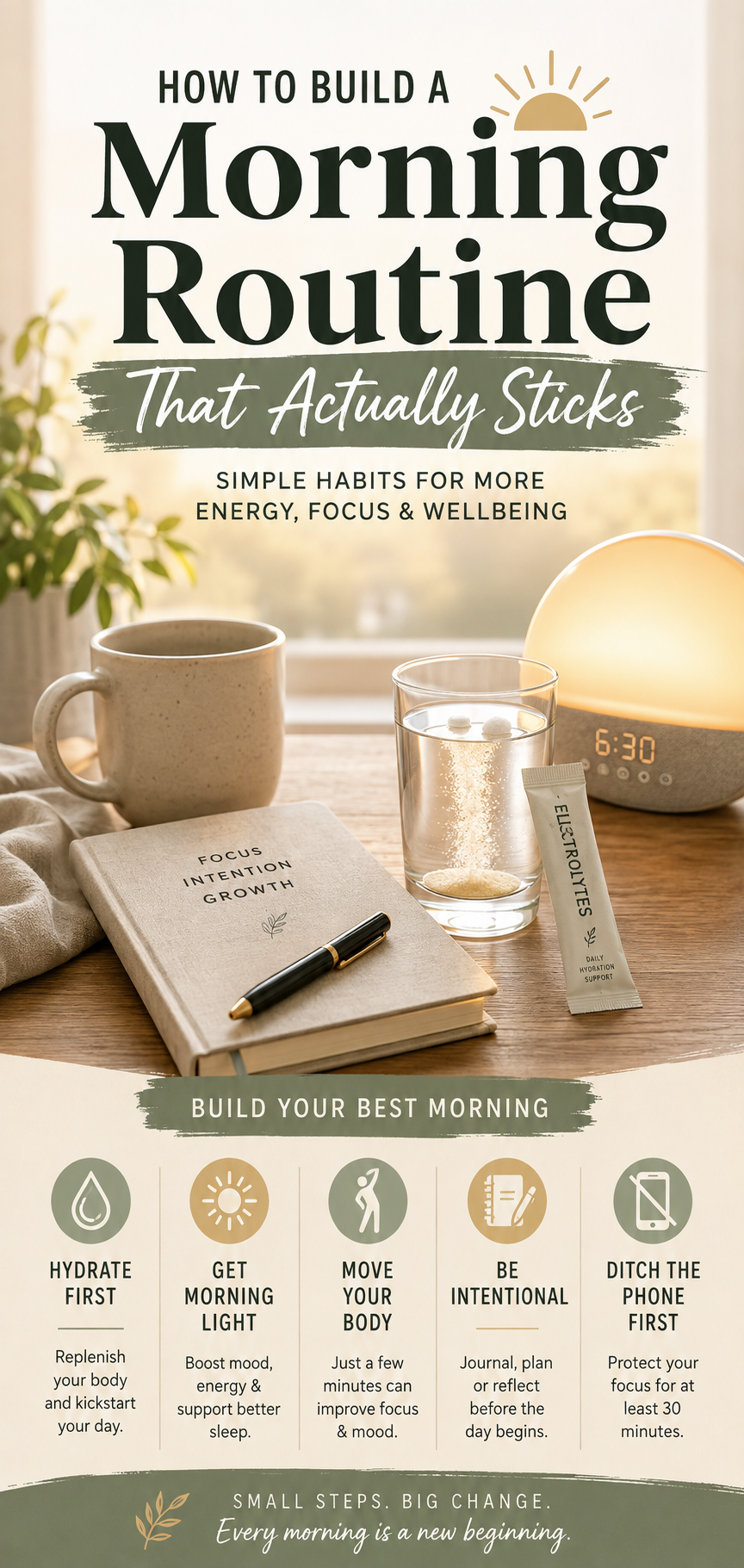
- Why Most Morning Routines Fail
- Starting Too Big
- Building Someone Else’s Routine
- Making the Routine the Goal
- The Science Behind Why Routines Work
- The Cortisol Awakening Response
- How to Build a Morning Routine That Lasts
- Step 1: Decide on Your Wake Time First
- Step 2: Protect the First 30 Minutes From Screens
- Step 3: Find Your Anchor Habit
- Step 4: Add One Thing at a Time
- Step 5: Design for Your Worst Days
- What to Include: A Practical Framework
- Tools That Make the Habit Easier
- FAQ
Most people have attempted a morning routine at some point. They set an early alarm, felt great about themselves for three days, and were back to their old habits by day five. The problem isn’t willpower. It’s that most morning routines are designed to fail from the start — too ambitious, too idealized, built around someone else’s life rather than yours.
A morning routine that actually sticks looks different. It’s built with your biology and your real schedule in mind — not the aspirational version you imagine on a quiet Sunday evening.
Why Most Morning Routines Fail
Starting Too Big
You read about a 5am wake-up, 20-minute meditation, journaling, a full workout, a healthy breakfast, and a cold shower — and you try to implement all of it simultaneously. Within days the entire structure collapses because it required more willpower than you realistically have at 5am when you’re half asleep. Starting big is the fastest route to abandoning the whole thing.
Building Someone Else’s Routine
What works for a fitness influencer with no children, a flexible schedule, and a camera crew is not going to work for most people. A sustainable morning routine is deeply personal. The structure matters; the specific activities are secondary.
Making the Routine the Goal
The routine is the mechanism — your quality of focus, energy, and wellbeing throughout the day are the actual goal. Treating the routine as an achievement in itself leads to performative habits that feel good to track and terrible to maintain.
The Science Behind Why Routines Work
Your brain operates on implementation intentions — if-then plans that link a situation to a behavior. “When I wake up, I will immediately drink a glass of water” is more effective than “I want to drink more water” because it removes the decision entirely. Every decision depletes finite cognitive resources. A morning routine automates a sequence of beneficial behaviors, preserving your mental energy for what actually matters during the rest of your day.
The Cortisol Awakening Response
Cortisol naturally peaks in the first 30–45 minutes after waking — your body’s built-in energy boost. Checking your phone immediately suppresses this natural peak and replaces it with reactive stress. Protecting the first 30 minutes of your morning from screens is the single highest-return change most people can make to morning quality.
How to Build a Morning Routine That Lasts
Step 1: Decide on Your Wake Time First
Before deciding what you’ll do, decide when you’ll consistently wake up. Consistency matters more than earliness — waking at the same time every day, including weekends, regulates your circadian rhythm and genuinely makes waking easier over time. Choose the time you can realistically maintain every day, not the aspirational one.
Step 2: Protect the First 30 Minutes From Screens
The moment you check your phone, you’ve handed control of your attention and emotional state to whoever sent you a message or posted something. Your cortisol awakening response — your natural energy resource — gets redirected into reactive stress. Delay screens for at least 30 minutes. The world will still be there.
Step 3: Find Your Anchor Habit
Every sustainable routine has one anchor habit — a tiny action that costs almost nothing and signals the start of the sequence. Drinking a glass of water immediately upon waking. Making your bed before anything else. Stepping outside for five minutes of natural light. The anchor provides a small, immediate win that creates momentum for everything that follows.
Step 4: Add One Thing at a Time
Habits take an average of 66 days to become genuinely automatic — not the often-cited 21 days. Add only the next habit after the current one feels effortless. This slower approach means each habit actually sticks rather than forming a fragile chain that breaks under any schedule disruption.
Step 5: Design for Your Worst Days
Your routine must survive a sick child, a terrible night’s sleep, an early emergency meeting. Build a minimum viable version that takes ten minutes and covers the absolute non-negotiables. On good days you expand it; on hard days the minimum keeps the chain unbroken. The chain matters more than any individual day’s performance.
What to Include: A Practical Framework
Hydration first. After 7–9 hours without water, your body is mildly dehydrated. A large glass of water upon waking rehydrates your cells and kickstarts metabolism. Adding electrolytes enhances the effect.
Morning light. Getting outside within 30 minutes of waking — even ten minutes on a cloudy day — sets your circadian clock, boosts serotonin production, and actually improves your sleep quality that night.
Movement. Even 5–10 minutes raises body temperature, increases alertness, and improves mood. You don’t need a full workout for the physiological benefits of morning movement.
Something intentional. Journaling, reading, meditation, or sitting quietly with coffee before reactive screen time sets a calmer, more focused tone for the day than anything else.
Tools That Make the Habit Easier
A sunrise alarm clock that simulates natural light waking is significantly gentler than a jarring alarm — particularly for anyone who finds morning difficult.
Sunrise alarm clock
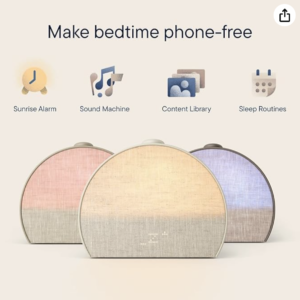

Best Budget —Dreamegg Sunrise Alarm

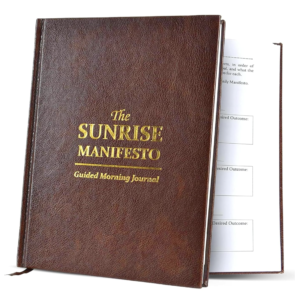
A morning journal or structured planner gives your intentional morning ritual a physical anchor.
Morning journal / planner
Electrolyte powder added to morning water makes hydration more effective and genuinely enjoyable.
Morning electrolyte powder

FAQ
Is it possible not to be a morning person?
Chronotype is partially genetic but heavily influenced by behavior. Consistent sleep and wake times, morning light exposure, and reducing evening screen time measurably shift your chronotype toward mornings over two to four weeks. “Not a morning person” is often a current state, not a permanent identity.
What if I keep failing after a few days?
Lower the bar. If you’re consistently failing, the routine is too demanding. Reduce it to a single anchor habit for two full weeks before adding anything else. Missing one day doesn’t break a habit. Missing two consecutive days starts to. Get back on track the following morning without self-judgment.