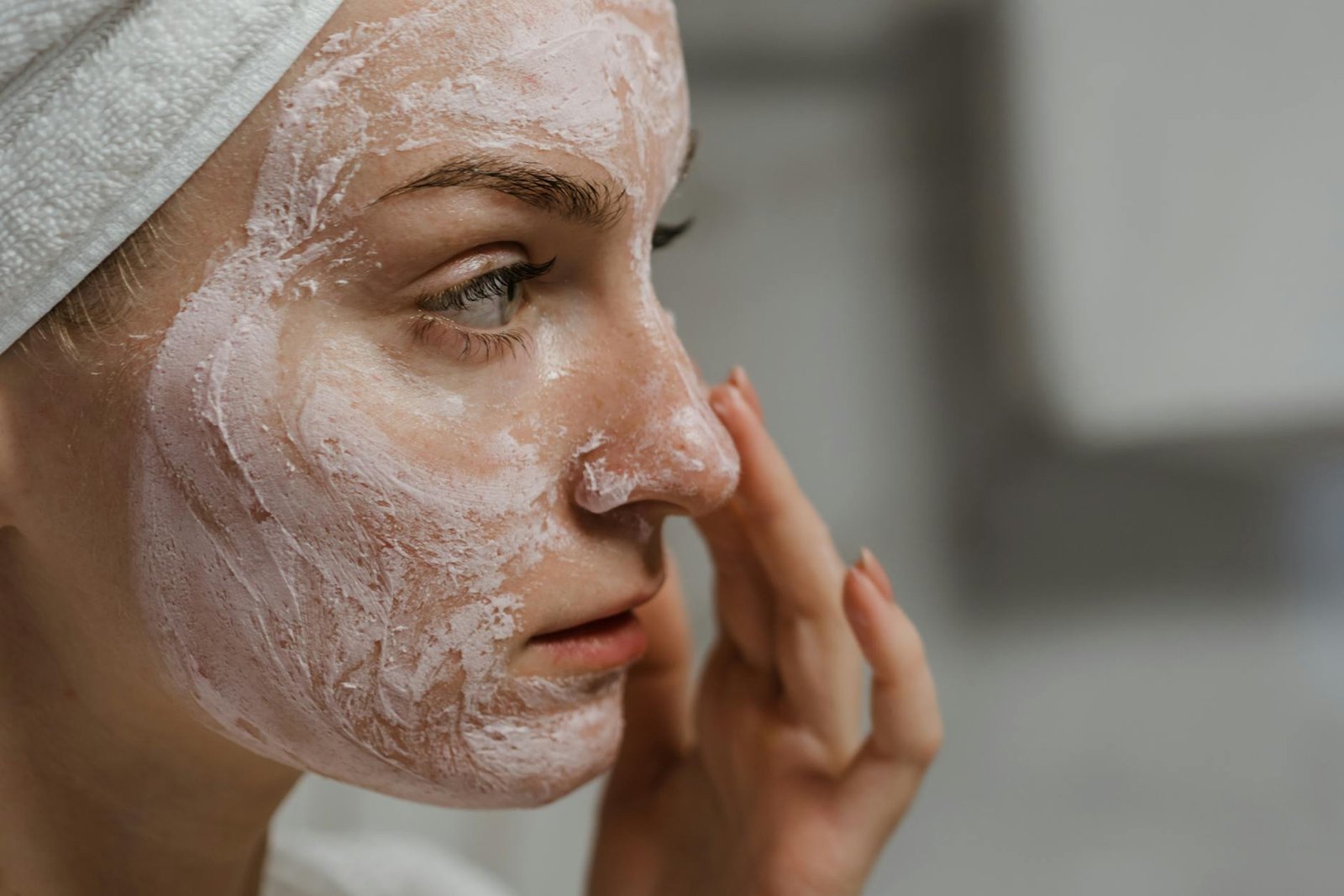
- What Actually Makes a Face Cream Work
- Ingredients With Genuine Evidence
- Hyaluronic Acid
- Niacinamide (Vitamin B3)
- Retinoids
- Vitamin C
- Ceramides
- Peptides
- Best Face Creams in 2026
- Best Overall: Niacinamide + Hyaluronic Acid Daily Moisturizer
- Best Anti-Aging: Retinol Night Cream
- Best for Dry Skin: Ceramide Barrier Repair Cream
- Best Brightening: Vitamin C + Niacinamide
- Best for Oily Skin: Lightweight Gel-Cream
- Best SPF Moisturizer: Daily Sunscreen + Moisturizer Combo
- How to Layer Face Creams Correctly
- Common Mistakes to Avoid
- FAQ
Glowing skin isn’t genetics or luck. It’s the consistent application of the right ingredients for your specific skin. The problem is that the face cream market is enormous, confusing, and full of products that spend more on packaging and marketing than on what’s actually in the jar. This is what you need to know.
What Actually Makes a Face Cream Work
The ingredient list is everything — the front label is marketing. Effective face creams work through one or more of these mechanisms: hydrating the skin by drawing and holding water, repairing the skin barrier to prevent moisture loss, stimulating collagen or cell turnover, or delivering antioxidants to prevent ongoing damage. The best formulations do several of these simultaneously.
Ingredients With Genuine Evidence
Hyaluronic Acid
Draws and holds water in the skin for immediate plumping and luminosity. Well-hydrated skin literally reflects light more evenly — which is the actual mechanism of “glowing” skin. Apply to damp skin and seal with a moisturizer for maximum effect.
Niacinamide (Vitamin B3)
One of the most versatile skincare ingredients available. Reduces enlarged pores, evens skin tone, strengthens the barrier, reduces redness and oil production. Works across virtually every skin type and concern. Pairs well with everything.
Retinoids
The only topical ingredient with robust clinical evidence for reversing visible aging — not just preventing it. Stimulates collagen, accelerates cell turnover, and fades hyperpigmentation. The prescription form (tretinoin) is most potent; OTC retinol is effective but slower-acting.
Vitamin C
Brightens uneven tone, fades dark spots, stimulates collagen, and provides antioxidant protection. Best in the morning under SPF. L-ascorbic acid is the most studied form; stabilized derivatives are more stable in formulation.
Ceramides
Essential lipids that form and repair your skin’s protective barrier. A ceramide-rich cream dramatically reduces moisture loss and reactivity. Non-negotiable for dry or sensitive skin.
Peptides
Signal the skin to produce more collagen and elastin. Gentler than retinoids and suitable for daytime and sensitive skin. Results are gradual but cumulative — give them 8–12 weeks.
Best Face Creams in 2026
Best Overall: Niacinamide + Hyaluronic Acid Daily Moisturizer
This combination covers the essential bases for most skin types — hydration, barrier support, pore minimization, and tone evening. Produces visible radiance within 2–4 weeks of consistent use. Works for oily, combination, normal, and sensitive skin.
[ AFFILIATE LINK: Best niacinamide + hyaluronic acid face cream ]
Best Anti-Aging: Retinol Night Cream
For fine lines, skin texture, and long-term collagen maintenance, retinol at night is the most evidence-backed skincare investment available OTC. Start with 0.025–0.05% two nights per week and increase gradually. Pair with a rich moisturizer on top to minimize initial dryness. Expect 3–6 months for full results.
[ AFFILIATE LINK: Best retinol night cream anti-aging ]
Best for Dry Skin: Ceramide Barrier Repair Cream
Dry, flaky, sensitive skin almost always has a compromised barrier. A ceramide-rich cream repairs this, dramatically reducing moisture loss and reactivity. Look for ceramides, fatty acids, and cholesterol in the formulation — the three components of natural skin barrier lipids.
[ AFFILIATE LINK: Best ceramide face cream for dry skin ]
Best Brightening: Vitamin C + Niacinamide
For dark spots, uneven tone, and dullness — vitamin C in the morning, used consistently, is the most effective topical brightening approach available. Niacinamide alongside it provides barrier support and tone-evening that compounds the brightening effect. Use in opaque, airtight packaging only.
[ AFFILIATE LINK: Best vitamin C brightening face cream ]
Best for Oily Skin: Lightweight Gel-Cream
Oily skin needs hydration — dehydration worsens oil production. A gel or gel-cream formulation delivers hydration and niacinamide without heaviness or congestion. Non-comedogenic, oil-free, and comfortable even in warm weather.
[ AFFILIATE LINK: Best lightweight face cream for oily skin ]
Best SPF Moisturizer: Daily Sunscreen + Moisturizer Combo
Up to 80–90% of visible skin aging is caused by UV exposure. A moisturizer with SPF 30–50 applied every morning — rain, shine, indoors near windows — does more for long-term skin radiance than any other single product. Choose broad-spectrum, lightweight formulations you’ll actually use consistently.
[ AFFILIATE LINK: Best SPF moisturizer daily sunscreen face cream ]
How to Layer Face Creams Correctly
Thinnest to thickest texture is the general rule. Morning: cleanser → vitamin C serum → niacinamide moisturizer → SPF. Evening: cleanser → AHA toner (2–3 nights/week) → retinol (alternate nights) → ceramide moisturizer. Don’t use retinoids and AHAs on the same night — alternate them. Allow actives 30–60 seconds to absorb before layering the next product.
Common Mistakes to Avoid
Using too much product — a pea-sized amount covers the entire face. Switching products every two weeks — skincare needs 6–12 weeks to produce visible change. Skipping SPF — every other step is undermined by unprotected UV exposure. Ignoring the neck and chest — they age at the same rate and need the same care.
FAQ
Do I need separate day and night creams?
Not necessarily. The main differences: night creams tend to be richer (beneficial as skin repair peaks overnight), and they don’t contain SPF. A single moisturizer can work for both if you add SPF separately in the morning.
Is expensive face cream better?
Not reliably. Price correlates with packaging and marketing — not active ingredient concentration or clinical efficacy. Many drugstore formulations outperform luxury products that rely on proprietary “complexes” without published data.