- What to Eat More of During Pregnancy
- Folate-Rich Foods (Critical in the First Trimester)
- Protein (Building Blocks for Baby)
- Calcium and Vitamin D
- Iron (Fighting Pregnancy Fatigue)
- Omega-3 Fatty Acids (For Baby’s Brain Development)
- Foods to Avoid or Limit During Pregnancy
- Raw or Undercooked Meat, Fish, and Eggs
- High-Mercury Fish
- Unpasteurized Foods
- Alcohol
- Excess Caffeine
- Managing Pregnancy Symptoms Through Food
- For Morning Sickness
- For Heartburn
- For Constipation
- Frequently Asked Questions
- Final Thoughts
- 📖 You Might Also Like
This post contains affiliate links. If you purchase through our links, we may earn a small commission at no extra cost to you. We only recommend products we truly believe in.
Pregnancy nutrition can feel overwhelming. Here’s the truth: most foods are completely safe to eat during pregnancy. The list of things to genuinely avoid is shorter than you think.
What to Eat More of During Pregnancy
Folate-Rich Foods (Critical in the First Trimester)
Folate is essential for preventing neural tube defects. Best sources: dark leafy greens, lentils, chickpeas, asparagus, avocado, oranges. Most doctors recommend a prenatal vitamin with at least 400–800mcg of folic acid.
👉 Best prenatal vitamins on Amazon
Protein (Building Blocks for Baby)
Aim for at least 75–100 grams of protein per day. Best sources: eggs (fully cooked), chicken, salmon, Greek yogurt, lentils, beans, cottage cheese.
Calcium and Vitamin D
Your baby draws calcium directly from your bones if you’re not getting enough. Best sources: dairy, fortified plant milks, sardines, kale, broccoli.
Iron (Fighting Pregnancy Fatigue)
Blood volume increases by nearly 50% during pregnancy. Best sources: lean red meat, lentils, spinach, fortified cereals. Pair iron-rich foods with vitamin C to improve absorption.
Omega-3 Fatty Acids (For Baby’s Brain Development)
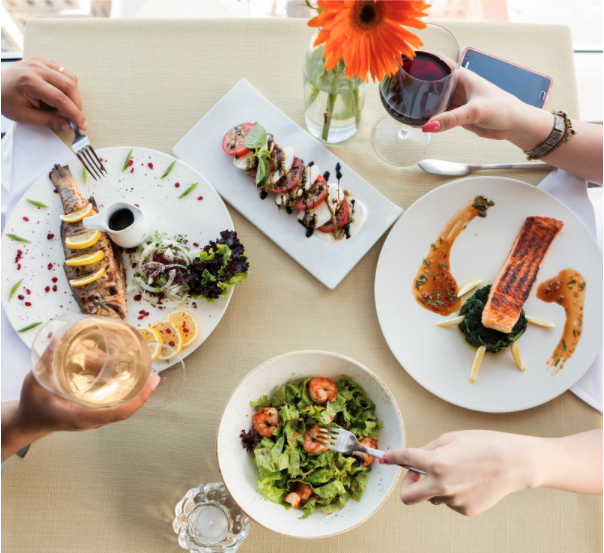
Safe low-mercury fish: salmon, sardines, shrimp, tilapia, cod — 2–3 times per week.
👉 Best omega-3 supplements for pregnancy on Amazon
Foods to Avoid or Limit During Pregnancy
Raw or Undercooked Meat, Fish, and Eggs
Avoid: sushi with raw fish, runny eggs, rare meat, raw oysters, cold deli meats and hot dogs, pâté.
High-Mercury Fish
Avoid entirely: shark, swordfish, king mackerel, tilefish, bigeye tuna.
Unpasteurized Foods
Avoid: soft cheeses made from unpasteurized milk (Brie, Camembert, some blue cheeses), unpasteurized juices, raw sprouts.
Alcohol
There is no known safe amount of alcohol during pregnancy. Avoid entirely throughout your pregnancy.
Excess Caffeine
Limit caffeine to 200mg per day (roughly one 12oz cup of coffee).
Managing Pregnancy Symptoms Through Food
For Morning Sickness
Eat small, frequent meals. Keep plain crackers by your bed. Ginger is a well-supported natural remedy: ginger tea, ginger chews, or ginger ale with real ginger.
👉 Best ginger chews and morning sickness remedies on Amazon
For Heartburn
Eat smaller, more frequent meals. Avoid lying down for 2–3 hours after eating. Avoid spicy, fatty, and acidic foods close to bedtime.
For Constipation
Increase fiber, stay well-hydrated, and try prunes or prune juice.
Frequently Asked Questions
Can I eat sushi while pregnant? Cooked sushi rolls are fine. Avoid raw fish and high-mercury fish.
Is it safe to eat deli meat during pregnancy? Heat until steaming hot first. Cold deli meat is best avoided.
How much weight should I gain during pregnancy? Normal weight women: 25–35 lbs. Your OB will give personalized guidance.
Do I really need a prenatal vitamin if I eat well? Yes. Even an excellent diet rarely provides enough folate, iron, iodine, and DHA during pregnancy.
Final Thoughts
Pregnancy nutrition doesn’t have to be stressful. Focus on variety, whole foods, and staying hydrated. Take your prenatal vitamin every day. You’re growing a whole person — be kind to yourself. 💙