- What Is Hormonal Acne?
- Signs You Have Hormonal Acne (Not Just Regular Breakouts)
- Root Causes of Hormonal Acne in Women
- The Hormonal Acne-Diet Connection
- Skincare for Hormonal Acne: What Works
- Medical Treatments for Hormonal Acne
- A Practical Daily Skincare Routine for Hormonal Acne
- Our Top Product Recommendations for Hormonal Acne
- Lifestyle Changes That Make a Real Difference
- Frequently Asked Questions
Hormonal acne in women is adult acne caused or worsened by shifts in estrogen, progesterone, and androgens. It most often appears along the jawline, chin, and lower cheeks and tends to flare before your period, during stressful times, during perimenopause, or with conditions like PCOS. The most effective treatment usually combines targeted skincare, lifestyle changes, and, in some cases, prescription options.
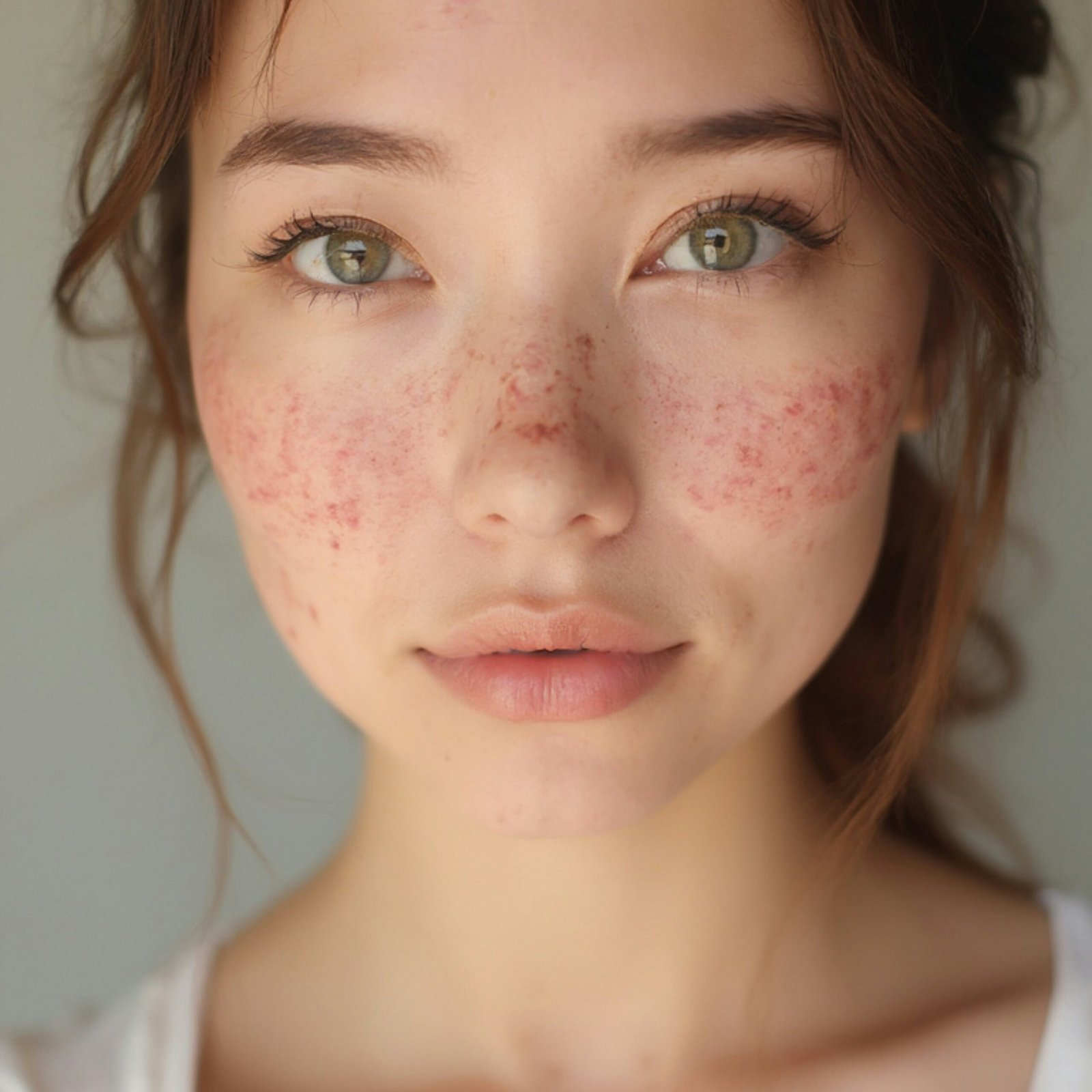
If your breakouts seem to show up like clockwork before your period, cluster around your jawline and chin, or got worse in your 20s, 30s, or even 40s instead of disappearing after your teens — you’re not imagining it. You may be dealing with hormonal acne.
And you’re definitely not alone.
Unlike teenage acne, hormonal acne in adult women is often more stubborn, more predictable, and more closely tied to monthly hormone shifts. It can feel frustrating because the breakouts are deeper, more painful, and often leave marks that take weeks — or months — to fade.
In this complete guide, we’ll break down what hormonal acne is, what causes it, how to tell if your breakouts are hormonal, the best skincare ingredients, medical treatment options, lifestyle changes, and the best products that actually help.
What Is Hormonal Acne?
Hormonal acne is acne directly triggered or worsened by fluctuations in the body’s hormone levels — primarily androgens (like testosterone), estrogen, and progesterone. These fluctuations influence how much sebum (oil) your skin produces, how quickly skin cells turn over, and how your skin responds to bacteria.
When androgen levels rise — whether from a menstrual cycle, stress, pregnancy, perimenopause, or conditions like polycystic ovary syndrome (PCOS) — the sebaceous (oil) glands in the skin respond by producing more oil. Excess oil, combined with dead skin cells and the naturally occurring bacteria Cutibacterium acnes, creates the perfect conditions for clogged pores and inflammation.
What makes hormonal acne distinct from other types of acne is its pattern: it tends to be cyclical, tied to the menstrual cycle, and concentrated in the lower third of the face — the jawline, chin, and lower cheeks. These areas may be more sensitive to androgen-related oil production, which is why hormonal breakouts often cluster there.
Signs You Have Hormonal Acne (Not Just Regular Breakouts)
Location: Breakouts cluster on the lower face — jawline, chin, and lower cheeks. If your acne is primarily on your forehead or scattered across your whole face, it may have a different cause.
Timing: You notice a pattern. Breakouts flare 7–10 days before your period begins and often improve once menstruation starts. If your breakouts show up in a predictable monthly pattern, hormones are very likely playing a role.
Type of lesion: Hormonal acne tends to produce deeper, more painful cysts and nodules that sit under the skin and don’t have a visible head. These deep lesions are the ones most likely to leave post-inflammatory hyperpigmentation or scarring.
Age: If you’re in your 20s, 30s, or 40s and still experiencing acne — or if your acne worsened after your teens — hormonal involvement is highly likely.
Stress correlation: Your breakouts noticeably worsen during stressful periods. Cortisol stimulates androgen production, which triggers oil production.
Root Causes of Hormonal Acne in Women
The menstrual cycle: In the days before menstruation, estrogen and progesterone both drop sharply while androgens remain relatively elevated — creating a hormonal environment that promotes oil production and breakouts.
Polycystic Ovary Syndrome (PCOS): PCOS is characterized by elevated androgens, insulin resistance, and irregular periods. Women with PCOS often experience persistent, severe hormonal acne that doesn’t respond well to standard topical treatments because the root cause is systemic.
Perimenopause and menopause: As estrogen declines with age, the relative balance shifts toward androgens — which is why many women experience new or worsening acne in their 40s and early 50s.
Birth control changes: Starting, stopping, or changing hormonal contraceptives directly affects estrogen and progesterone levels. Stopping the pill can trigger a temporary surge in breakouts as the body recalibrates.
Chronic stress: Cortisol stimulates androgen production from the adrenal glands. High-stress periods are reliably followed by breakout flares.
Blood sugar and insulin: High-glycemic foods spike insulin, which triggers a cascade that increases androgen activity and sebum production.
The Hormonal Acne-Diet Connection
High-glycemic foods: White bread, sugary drinks, and processed snacks cause rapid blood sugar spikes that elevate insulin. Insulin stimulates androgen production and sebum synthesis. Research suggests high-glycemic diets may worsen acne in some people by increasing insulin and oil production.
Dairy, particularly skim milk: Milk contains hormonal precursors including IGF-1, androgens, and progesterone. Research suggests reducing dairy intake can improve acne in susceptible individuals.
What to emphasize instead: Omega-3 fatty acids, colorful vegetables, berries, green tea, and zinc-rich foods like pumpkin seeds have all been associated with acne reduction in research.
Skincare for Hormonal Acne: What Works
→Retinoids (vitamin A derivatives): The most evidence-backed topical treatment for all acne types. They stimulate collagen synthesis, accelerate cell turnover, fade hyperpigmentation, and smooth fine lines. Prescription tretinoin is the gold standard; OTC retinol and retinaldehyde are effective but slower-acting.
→Niacinamide: Reduces sebum production, strengthens the skin barrier, and has anti-inflammatory properties. Effective at 4–5% concentration and compatible with almost all other actives.
→Salicylic acid: A BHA that penetrates oil-filled pores to dissolve debris inside. Excellent for preventing clogs and treating blackheads. Use in toner, cleanser, or spot treatment at 0.5–2%.
→Benzoyl peroxide: Kills acne-causing bacteria and reduces inflammation. Particularly effective for inflammatory papules and pustules.
→Azelaic acid: Reduces inflammation, kills bacteria, and fades post-acne dark spots. Safe during pregnancy and well-tolerated by most skin types.
Medical Treatments for Hormonal Acne
Hormonal birth control: Combination oral contraceptives are FDA-approved for acne treatment. Pills with anti-androgenic progestins (drospirenone, norgestimate) tend to be most effective.
Spironolactone: Blocks androgen receptors in the skin, reducing oil gland stimulation. Typical doses of 50–200mg daily produce significant improvement in 3–6 months. Requires a prescription.
When to see a doctor: If your acne is leaving scars, if you have more than 5–10 active breakouts at a time, if OTC treatments haven’t helped after 3 months, or if you suspect PCOS — book an appointment with a dermatologist or gynecologist.
A Practical Daily Skincare Routine for Hormonal Acne
Morning: Gentle cleanser → Niacinamide serum (4–5%) → Lightweight oil-free moisturizer → SPF 30+
Evening: Double cleanse → Salicylic acid toner (2–3x/week) OR retinoid (build from 2–3 nights/week) → Niacinamide or azelaic acid → Moisturizer
Our Top Product Recommendations for Hormonal Acne
This article contains affiliate links. We may earn a commission at no extra cost to you.
- Best retinoid: Differin Adapalene Gel 0.1% — FDA-approved OTC retinoid, most studied for acne
- Best niacinamide: Look for 10% niacinamide + 1% zinc serum for oil control and redness
- Best spot treatment: Benzoyl peroxide 2.5% — as effective as 10% with far less irritation
- Best cleanser: Gentle salicylic acid cleanser — cleans without stripping the skin barrier
Lifestyle Changes That Make a Real Difference
Sleep: Poor sleep elevates cortisol and disrupts hormonal balance. Prioritizing 7–9 hours is one of the most impactful things you can do for your skin.
Stress management: Regular movement, mindfulness practices, and adequate rest all meaningfully impact the hormonal environment your skin operates in.
Exercise: Improves insulin sensitivity — directly addressing one of the key drivers of hormonal acne. Always cleanse promptly after sweating.
Pillow hygiene: Change your pillowcase at least twice a week. Silk pillowcases are gentler on skin and cause less friction than cotton.
🔗 Related: Best Anti-Aging Face Creams for Women Over 40 — the best topical products to pair with your supplement routine.
Frequently Asked Questions
How long does it take to clear hormonal acne?
Topical treatments show noticeable improvement in 6–8 weeks. Hormonal medications take 3–6 months. Patience is essential.
Is hormonal acne a sign of a hormonal disorder?
Not necessarily. But if acne is severe and accompanied by irregular periods, excess hair growth, or weight gain in the midsection, evaluation for PCOS is appropriate.
What’s the fastest way to get rid of a hormonal cyst?
Cortisone injections from a dermatologist can reduce a deep cystic lesion within 24–48 hours. Never attempt to pop a deep cyst — it dramatically increases the risk of scarring.
Medical disclaimer: This article is for educational purposes only and does not replace professional medical advice. If your acne is severe, painful, scarring, or paired with irregular periods or other hormonal symptoms, talk to a dermatologist or healthcare provider.