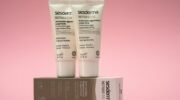

- Several criteria of cosmetics you use during the cold season
- What winter cream should be?
- How to properly cleanse your skin in winter?
- What other care products are needed for the winter?
- 📖 You Might Also Like
- Why Your Skin Changes in Cold Weather
- The Winter Skincare Routine That Actually Works
- Adjusting Your Makeup for Winter
- Why Your Skin Changes in Cold Weather
- The Winter Skincare Routine That Actually Works
- Adjusting Your Makeup for Winter
Low temperatures, dry indoor air are the reasons why the skin needs special care in winter. In addition to weather conditions and side effects of heating in an apartment, winter vitamin deficiency often joins unfavorable factors. We will tell you how to choose a face care product for the winter.
Several criteria of cosmetics you use during the cold season
- Dense texture, high fat content.
- The presence of components that restore the hydrolipid balance of the skin: hyaluronic acid, glycerin, lecithin, emulsifiers, natural oils.
- Natural composition and the presence of antioxidant vitamins A and E as much as possible
- SPF is needed just like in summer. In winter, ultraviolet light can be harmful even on a cloudy day, reflecting off the snow. A high degree of protection is not needed, but SPF in cream or decorative cosmetics is an additional plus.
For the winter, it is recommended to choose products designed for a drier skin type than yours. That is, for example, if you have normal skin – choose creams for dry, if your skin is oily – choose products for combination skin. If you always have fairly dry skin, it is best to purchase cosmetics for very dry and sensitive skin.

What winter cream should be?
The best choice is a nourishing cream with a dense texture. We also recommend giving preference to pharmacy cosmetics, even if you usually use the mass market and are satisfied with it – the products from the pharmacy are usually more balanced and natural.
You need to apply the cream half an hour or an hour before going outside. Returning home, cleanse your face immediately: under the protective layer of cream bacteria begin to multiply at room temperature. However, cleansing the face in the cold season is a separate topic.
Mommy Care Cold Weather Baby Child Organic Facial Protective Winter Balm 50ml/1.76 fl.oz

How to properly cleanse your skin in winter?
Instead of the usual mousse or foam that dries the skin, in winter you need to use oil-based toners, milk or gels. Cleansers should not contain alcohol.
It is best not to overuse a face and body scrub in winter as it can strip the skin of its natural defenses. You can use a scrub only if you have very oily skin and no more than once a week.
What other care products are needed for the winter?
Special care is required not only for the skin of the face. The arsenal of winter care products should include:
- greasy hygienic lipstick
- thick hand cream
- thermal water to moisturize the skin indoors
- eye cream, ideally with seaweed
- moisturizing body lotion
- masks and serums: even if you don’t use them in other seasons, your skin will thank you for the extra nutrition in winter.
📖 You Might Also Like
Why Your Skin Changes in Cold Weather
When temperatures drop, so does the humidity in the air — both outdoors and inside heated buildings. This dry air pulls moisture from the skin much faster than in warmer months, leading to tightness, flakiness, and increased sensitivity. For women who wear makeup daily, this creates an extra challenge: dry, uneven skin texture makes foundation apply patchily and settle into fine lines more visibly.
Understanding why your skin behaves differently in winter is the first step to adapting your routine effectively.
The Winter Skincare Routine That Actually Works
Swap your cleanser. Foaming cleansers that work beautifully in summer can be too stripping for winter skin. Switch to a cream or oil-based cleanser that removes impurities without disrupting the skin’s moisture barrier.
Layer your moisturizer. Apply a hydrating serum (look for hyaluronic acid or glycerin) while your skin is still slightly damp, then seal it with a richer moisturizer. This two-step approach dramatically improves moisture retention compared to moisturizer alone.
Don’t skip SPF. UV rays are present even on overcast winter days, and snow reflects up to 80% of UV radiation. A moisturizer with SPF 30 is one of the most effective anti-aging investments you can make year-round.
Adjusting Your Makeup for Winter
Winter calls for a few simple adjustments to your makeup routine. Cream and liquid formulas perform better than powders on dry skin, so consider switching to a cream blush or highlight. A hydrating primer before foundation creates a smoother canvas and helps makeup last longer.
For lips — often the most visibly affected area in cold weather — layer a lip balm under your lipstick and reapply throughout the day. Matte lip formulas can be particularly drying in winter; switch to satin or gloss finishes until spring.
Why Your Skin Changes in Cold Weather
When temperatures drop, so does the humidity in the air — both outdoors and inside heated buildings. This dry air pulls moisture from the skin much faster than in warmer months, leading to tightness, flakiness, and increased sensitivity. For women who wear makeup daily, this creates an extra challenge: dry, uneven skin texture makes foundation apply patchily and settle into fine lines more visibly.
Understanding why your skin behaves differently in winter is the first step to adapting your routine effectively.
The Winter Skincare Routine That Actually Works
Swap your cleanser. Foaming cleansers that work beautifully in summer can be too stripping for winter skin. Switch to a cream or oil-based cleanser that removes impurities without disrupting the skin’s moisture barrier.
Layer your moisturizer. Apply a hydrating serum (look for hyaluronic acid or glycerin) while your skin is still slightly damp, then seal it with a richer moisturizer. This two-step approach dramatically improves moisture retention compared to moisturizer alone.
Don’t skip SPF. UV rays are present even on overcast winter days, and snow reflects up to 80% of UV radiation. A moisturizer with SPF 30 is one of the most effective anti-aging investments you can make year-round.
Adjusting Your Makeup for Winter
Winter calls for a few simple adjustments to your makeup routine. Cream and liquid formulas perform better than powders on dry skin, so consider switching to a cream blush or highlight. A hydrating primer before foundation creates a smoother canvas and helps makeup last longer.
For lips — often the most visibly affected area in cold weather — layer a lip balm under your lipstick and reapply throughout the day. Matte lip formulas can be particularly drying in winter; switch to satin or gloss finishes until spring.